

At a time when democratic systems around the world are increasingly marked by political crises, states of emergency, and shifts towards illiberal forms of governance, an international conference titled Resilience, Resistance, Renewal: Rethinking Democratic Politics in Times of War and Emergency was held at Boğaziçi University in Istanbul from 24 to 26 June as part of the European project SOS4democracy.
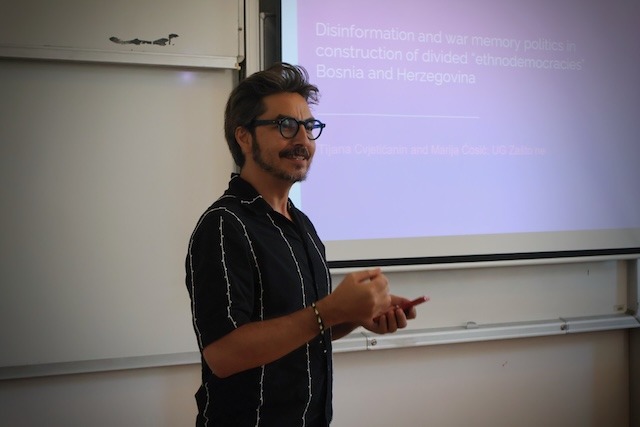
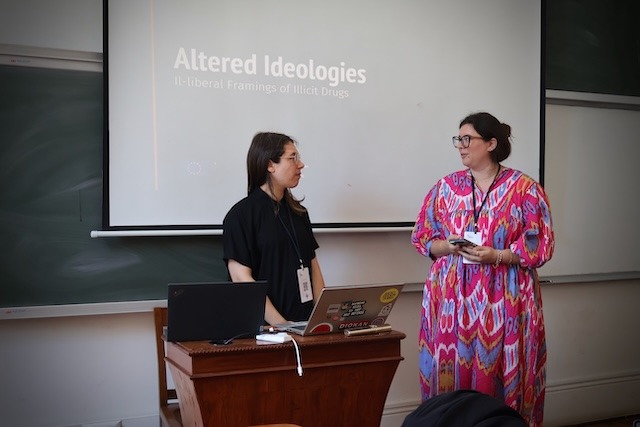
The event brought together more than 90 researchers from the social sciences and humanities, practitioners, activists, students, and others engaged in research and advocacy related to the rule of law and fundamental freedoms in democratic systems. Over three days, participants from almost 20 countries explored a wide range of pressing issues. Discussions frequently highlighted concerns about the proliferation of new forms of securitisation, criminalisation, and emergency governance across democracies. These developments are reflected in the repression of pro-Palestinian protests, labour and feminist movements, and in assaults on university autonomy, and academic freedoms.
Although researchers expressed differing views on whether the current period constitutes a global wave of autocratisation, there was broad agreement that the current crisis of democracy is deeply entangled with multiple global emergencies: the genocide in Gaza, the war in Ukraine, the climate crisis, growing inequalities and contradictions of global capitalism, and a rapidly escalating landscape of geopolitical rivalry, militarization, and deteriorating international law.
The discussions demonstrated that the future of democracy depends not only on its capacity to respond to ongoing crises, but also on its ability to develop new political visions grounded in solidarity, social justice, and respect for human rights.


