

The Library brings you news about new printed books available on our shelves.
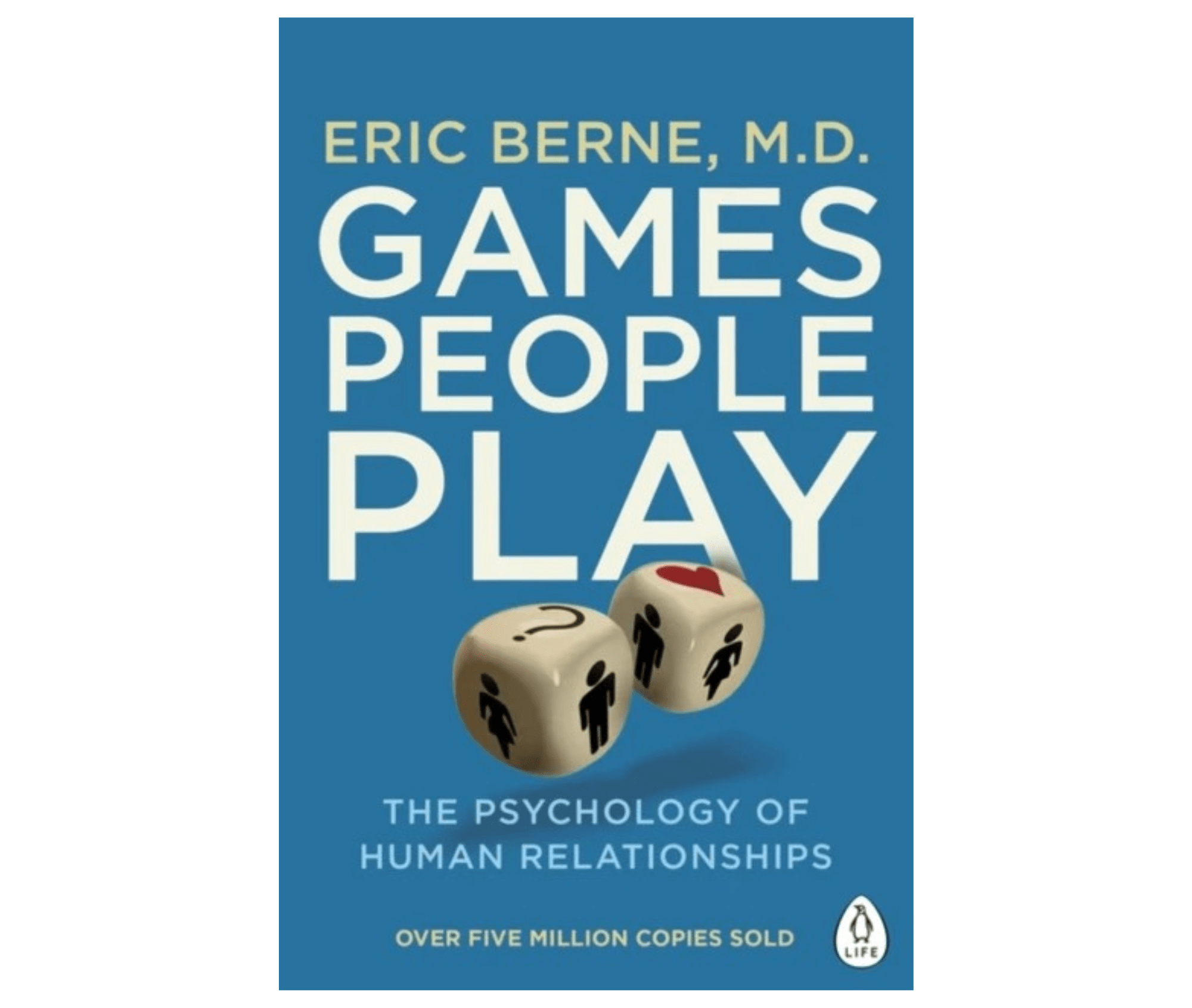
In his book Games people play: the psychology of human relationship (Penguin Life, 2016), Eric Berne addresses both professionals and a wider audience who want to better understand themselves and their relationships with others. In an easy-to-understand way, the author presents the concept of psychological games — repetitive, often unconscious patterns of communication through which we express hidden needs, emotions, and internal conflicts. Psychological games take place in everyday interactions and can lead to misunderstandings, disappointments, and the reinforcement of a negative self-image. By persisting in the same relationship patterns, we unintentionally confirm our own beliefs about ourselves and others, even when these beliefs are limiting. The central question, “What game are you playing?”, encourages the reader to reflect and offers tools for recognizing and overcoming harmful communication patterns.

The book Pravna analitika in umetna inteligenca (Lexpera, GV Publishing, 2026) uses a technically sound but understandable framework to explain how computer systems “think” and solve legal tasks, presenting a range of approaches from logical reasoning, predicate logic, and ontologies to probabilistic models, machine learning, and neural networks. Instead of yet another theoretical discussion on the regulation of artificial intelligence, this book focuses on the practical intersection of law and technology. It uses concrete examples to show how various—including advanced—artificial intelligence systems enable faster, more accessible, and more predictable legal decisions.
The scientific monography Zmote neprevaranih: od modernizma do Hollywooda (The Society for Theoretical Psychoanalysis, 2020) explores the relationship between fiction, reality, and ideology in contemporary culture. The fear of deception pervades contemporary culture, where films and TV series often depict the world as it should be, and people in their misery and despair. The delusions of the unwary expose a tendency toward authenticity and reality that ranges from the modernist rejection of classical representation to contemporary realism in popular genres. At the same time, they warn how those who try to protect themselves from every deception can be mistaken. Conversely, the most accomplished, distinctly fictional genres can offer a departure from supposed reality, which may itself be the ultimate ideological deception.