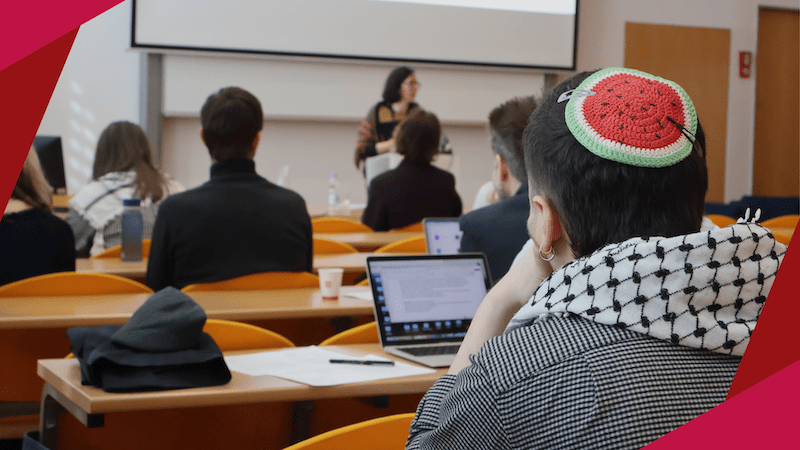
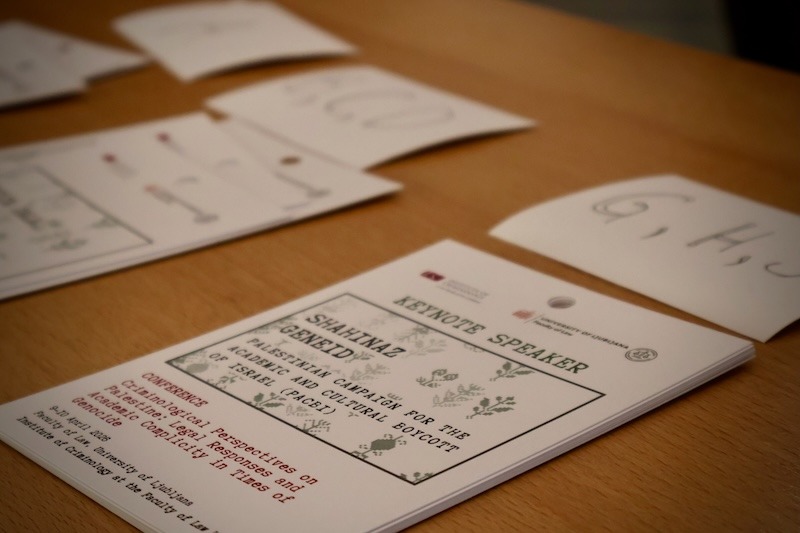
Today, we concluded the two-day international scientific conference entitled Criminological Perspectives on Palestine: Legal Responses and Academic Complicity in Times of Genocide, which took place on 9 and 10 April 2026 at the Institute of Criminology at the Faculty of Law in Ljubljana and at the Faculty of Law, University of Ljubljana.
Over the course of two days, the conference brought together more than 60 speakers from various European and other international universities and research institutions, and attracted a wide professional audience—nearly 100 academics, practitioners, students, and other interested members of the broader public attended the event.
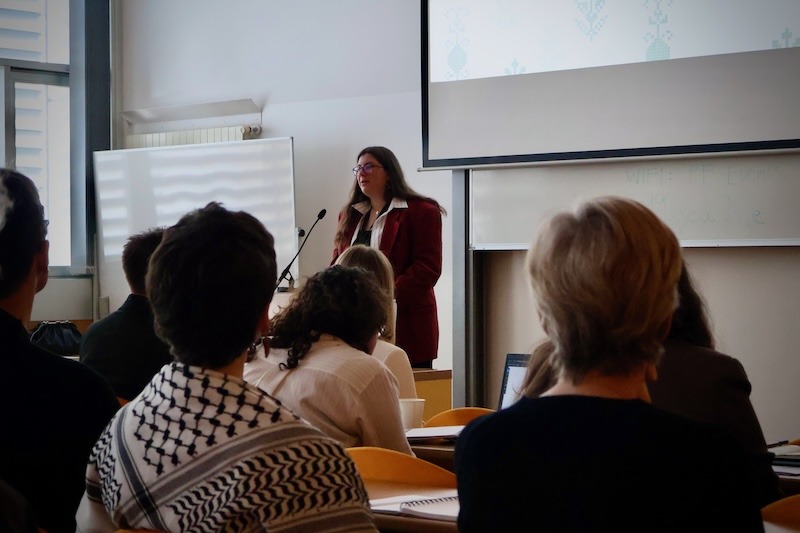
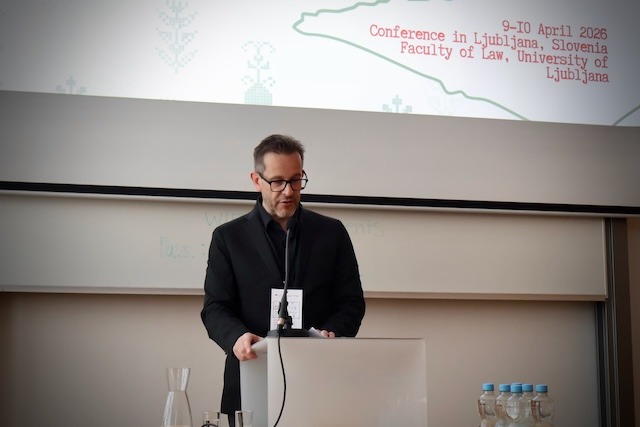
Prvi dan konference je bil namenjen razmisleku o vlogi kriminologije pri razumevanju in kritični obravnavi državne kriminalitete, zlasti zločinov, ki jih nad Palestinci desetletja kontinuirano izvaja izraelska vojska z večinsko podporo politike, državnih institucij in splošnega prebivalstva. Predavateljice in predavatelji so med drugim obravnavali vprašanja,na kakšne načine je apartheid operacionaliziran prek izraelskih institucij, podjetij in drugih organizacij, instrumentalizacijo feminističnih gibanj za legitimiranje izraelskega nasilja, vključno z genocidom, organizirano uničenje otroštva v Gazi ter možnosti in pomanjkljivosti mednarodnih sodnih postopkov za uveljavljanje kazenske odgovornosti za izraelske zločine.
Dan se je zaključil z vabljenim predavanjem Mahe Abdallah, ki je osvetlila vlogo mednarodnih institucij pri (ne)odzivanju na zločine proti človeštvu.
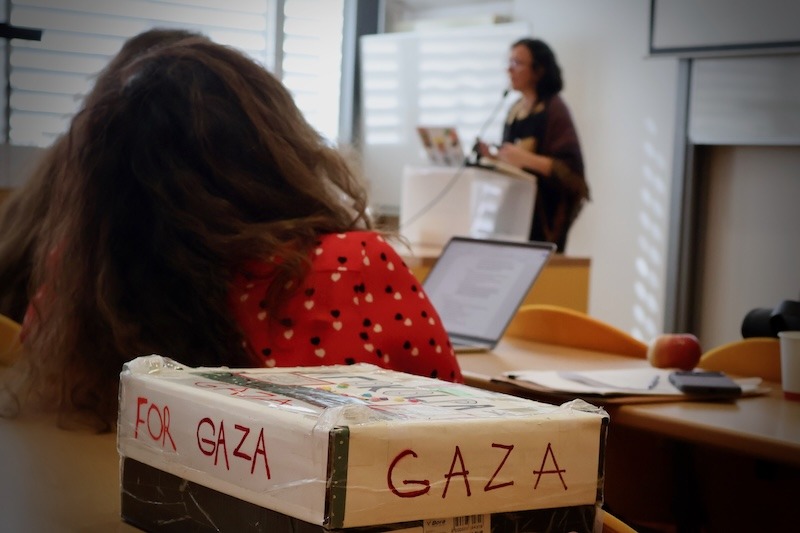
Drugi dan konference je odprl razpravo o akademski odgovornosti in vlogi akademske skupnosti pri odzivanju na zločine, ki jih izvaja izrael.Posebej je bilo izpostavljeno tudi dejstvo, da se nekateri udeleženci iz Palestine zaradi aktualnih razmer niso mogli udeležiti konference v živo, poglablja izključitev palestinskih glasov iz akademskih razprav, čemur bi morala akademija globalnega severa odločno nasprotovati.
Ob zaključku se iskreno zahvaljujemo vsem predavateljicam in predavateljem, udeleženkam in udeležencem ter vsem, ki so s svojim delom, sodelovanjem in podporo prispevali k uspešni izvedbi konference.
Medijske objave:
- 24 ur: “Takšne razprave drugod pogosto niso mogoče”
- V prispevku Radia Študent Spolno nasilje kot orodje okupacije v Palestini lahko prisluhnete intervjuju s Tanyo Serisier in Molly Ackhurst.
- V dveh intervjujih (intervju 1, intervju 2) palestinska raziskovalka Maha Abdallah opiše vsakdanje kolonialne prakse, ki jih izvaja Izrael.
- V prispevku za Radio Študent lahko prisluhnete tudi intervjuju z raziskovalkama Fernando Jansen Mila Catanho in Marijke Van Buggenhout.
- Intervju z Udi Raz, v katerem opiše, kako Izrael zlorablja judovsko identiteto za upravičevanje zločinov proti človeštvu.


