
ABOUT THE PROJECT
Human cognition has evolved through time adapting to the various, mostly survivalist needs of humans in their various historical settings. The complexity and dangers of the outer world have caused the brain to adapt decision-making strategies to be efficient in terms of both time and energy consumption. This has led to a two-tier reality of human decision-making that, on the one hand, facilitates faster and more energy-efficient responses when such responses are needed, and on the other hand, allows for slower and more deliberate decisions in different circumstances (Kahneman’s systems 1 and 2 respectively). However, the time- and energy-saving decision-making is less than perfect and often leads to mistakes in judgment. These have been studied in various contexts (see e.g. authors like Kahneman, Ariely, Thaler, Sunstein) and might be more or less harmful in our everyday lives, but are most alarming in settings that require deliberate decisions upon which people’s well-being, status and future in society depend.
Decision-making in legal settings is one such problematic area, made worse by the illusion of neutrality, with which the law veils itself in order to function and preserve the image of objectivity in society. Potential effects of stereotypes and prejudice in the criminal justice system (or for that matter, in any legal context) is an extremely sensitive topic that has been well under-researched. Contemporary scholars have slowly been lifting that veil, revealing a very human background characterised by deliberate and meticulous decision-making one would expect on the one hand, but absent-minded and biased decisions one would not expect and especially not welcome as well (see e.g. authors Guthrie, Rachlinski, Wistrich, Isaacs, Englich, Mussweiler, Strack).
Decision-making throughout criminal justice is plagued by “mistakes” that often arise out of unconscious bias (Benforado) and can be easily explained by using well-known psychological concepts, such as stereotyping and cognitive biases. Judicial decision-making seems particularly emblematic as it carries the strongest sense of objectivity and has arguably the most profound consequences for individual people’s lives. Scientific evidence on how strongly various psychological mechanisms play out in the courtroom is scarce and often contradictory. It has, however, become evident, that courtrooms are by far not immune to mistakes in judgment that arise from psychological characteristics rather than legal considerations. The existing body of research, however, comes mostly from Anglo-American criminal-law systems and focuses on jury decision-making. Studies on professional judges and other professional decision-makers are very rare generally and almost non-existent in the field of stereotyping and prejudice in particular. Therefore, the findings of this research may, on the one hand, bring important new insights on this issue and, on the other hand, pave the way for further research on similar psychological mechanisms influencing other legal professionals in other legal and administrative areas.
| Founders: ARRS Partner: Pravna fakulteta Period: 2019 – 2022 |
 |
Project team
- Šugman Stubbs, K., Mihelj Plesničar, M. (2020). Psihološki vidiki sodniškega odločanja : od objektivnosti k subjektivnosti in spet nazaj. Revija za kriminalistiko in kriminologijo, 71 (3), 194-207.
- MIHELJ PLESNIČAR, Mojca, ZAVRŠNIK, Aleš, ŠARF, Pika. Fighting impunity with new tools : how big data, algorithms, machine learning and AI shape the new era of criminal justice. V: MARIN, Luisa (ur.), MONTALDO, Stefano (ur.). The fight against impunity in EU law, (Hart studies in European Criminal Law, vol. 11). Oxford; New York: Hart Publishing. 2020
- HAFNER, Miha. Judging homicide defendants by their brains : an empirical study on the use of neuroscience in homicide trials in Slovenia. Journal of law and the biosciences, ISSN 2053-9711, oct. 2019, vol. 6, iss. 1, str. 226-254,
- MIHELJ PLESNIČAR, Mojca. Zakaj drugačna obravnava zapornic?. V: DRENIK BAVDEK, Simona (ur.), PAVLIN, Peter (ur.), TADIČ, Darja (ur.). O posebnem položaju žensk v zaporih : prispevki in izbrani mednarodni akti : zbornik ob 40-letnici Konvencije o odpravi vseh oblik diskriminacije žensk. Ljubljana: Ministrstvo za pravosodje. 2019, str. 41-58
- DROBNJAK, Marko. Nekatere jezikoslovne značilnosti naslovov medijskih prispevkov o kriminaliteti v Sloveniji. V: TIVADAR, Hotimir (ur.). Slovenski javni govor in jezikovno-kulturna (samo)zavest, (Obdobja, ISSN 1408-211X, 38). 1. natis. Ljubljana: Znanstvena založba Filozofske fakultete. 2019, str. 187-196
- DROBNJAK, Marko. Umetna inteligenca in njeno (sporazumevanje) : predstavitev na panelu Umetna inteligenca v okviru 3. Odprtega foruma Slovenske digitalne koalicije, Ljubljana, 26. 11. 2020
- HAFNER, Miha, MIHELJ PLESNIČAR, Mojca, ŠUGMAN STUBBS, Katja. Vpliv predsodkov in stereotipov na sodniško odločanje : prispevek na Nacionalni kriminološki konferenci ˝Določanje, prestopanje, premeščanje in rušenje normativnih mej˝, 11. december 2020, Zoom
- Hafner, Miha. Theme: Spregledana perspektiva: predavanje v okviru TEDx University of Ljubljana, November 10, 2020.
- Hafner, Miha. Spreminjanje možganov kot kazenskopravna sankcija : prispevek na Simpoziju za pravno in socialno filozofijo, Ljubljana, Pravna fakulteta, 23. sep. 2020.
- Drobnjak, Marko. Percepcija slovenščine v pravnih postopkih in načini za profiliranje posameznikov na podlagi govora : predavanje v okviru srečanj SDJT JOTA, 21. maj 2020 [MS Teams].
- Mihelj Plesničar, Mojca, Šugman Stubbs, Katja. Another veil of ignorance? Subjectivity and objectivity in legal decision-making. V: EUROCRIM 2020 : 20th Annual Conference of the European Society of Criminology, 10-11 September 2020 – online edition : book of abstracts, 20th Annual Conference of the European Society of Criminology – online edition, 10.-11. Sep. 2020.
- BRIŠKI, Lora. Participation of the injured party in Slovenian criminal procedure. V: Materìali III Mižnarodnogo molodižnogo naukovogo juridičnogo forumu, 14-15 travnja 2020 roku, III International Youth Scientific Legal Forum, May 14th-15th, 2020. Tom 1. Kyïv: Vidavnictvo Vektor. 2020, str. 240-242.
- Briški, Lora. Spolna avtonomija in koncept slabotne osebe. V: Zbornik 2019. 1. natis. Ljubljana: Lexpera, GV založba. cop. 2019, str. 21-28.
- Mihelj Plesničar, Mojca. Sankcioniranje spolne kriminalitete : predavanje na Kazenskopravni sodniški šoli, 23. okt. 2020.
- Šugman Stubbs, Katja, Mihelj Plesničar, Mojca. O objektivnosti in subjektivnosti pri sojenju : prispevek na Simpoziju za pravno in socialno filozofijo, Ljubljana, Pravna fakulteta, 23. sep. 2020.
- Briški, Lora, Mihelj Plesničar, Mojca. Stereotyping when sentencing for rape?. Inštitut za kriminologijo pri Pravni fakulteti v Ljubljani, ISSN 2712-4908, 2020, str. [3].
- Mihelj Plesničar, Mojca, Hafner, Miha, Šugman Stubbs, Katja. ˝It can´t be!˝ : The effects of anchoring on sentencing decisions. Inštitut za kriminologijo pri Pravni fakulteti v Ljubljani, ISSN 2712-4908, 2020, str. [6].
- HAFNER, Miha, MIHELJ PLESNIČAR, Mojca, ŠUGMAN STUBBS, Katja. Searching for stereotypes and prejudice in sentencing : a study on professional judges. Inštitut za kriminologijo pri Pravni fakulteti v Ljubljani, ISSN 2712-4908, 2020, str. [6-7].
- Mihelj Plesničar, Mojca. “Ne pomeni ne”, ustreznejša obravnava spolne kriminalitete : predavanje na strokovnem posvetu Samo ja pomeni ja – zagate na področju preprečevanja in ustavljanja spolnega nasilja, Fakulteta za socialno delo, Ljubljana, 25. 11. 2019.
- Drobnjak, Marko. Implicit bias against dialectal features: forensic linguistics and speech perception in legal proceeding : predavanje na Phonology Lab, Department of Linguistics, University of Washington, Washington, November 19, 2019.
- MIHELJ PLESNIČAR, Mojca. Deconstructing Remorse through the Courts : prispevek na kongresu Linking Generations for Global Justice, Oñati, Španija, 19. – 21. junij 2019
- HAFNER, Miha(intervjuvanec), REPOVŠ, Grega (intervjuvanec). Nevroznanost, (Studio City). Ljubljana: Radiotelevizija Slovenija javni zavod, 2019. 1 spletni vir (1 videodatoteka (5 min, 08 sek)). https://4d.rtvslo.si/arhiv/studio-city/174598483. [COBISS.SI-ID 2203982]
kategorija: SU (S) - MARKIČ, Olga (intervjuvanec), KLARENDIĆ, Maja (intervjuvanec), DOLENC, Sašo (intervjuvanec), HAFNER, Miha(intervjuvanec). Svobodna volja, (Na kratko). Ljubljana: Radiotelevizija Slovenija javni zavod, 2019
- ZAVRŠNIK, Aleš(intervjuvanec), HVALC, Luka (oseba, ki intervjuva, avtor). Tehnologija ne bo rešila družbenih problemov, (Nedeljski gost). Ljubljana: Radiotelevizija Slovenija javni zavod, Val 202, 2019
- MIHELJ PLESNIČAR, Mojca. Towards a map of sentencing : predavanje, The Crime, Justice and Society Seminar Series, The University Of Edinburgh, Edinburgh Law School, virtual event, 1. 2. 2021.
- ZAVRŠNIK, Aleš. AI, IT law crime and social control, the impact of new technologies on fundamental rights : lecture at module “Artificial Intelligence and Intellectual Property”, Strasbourg University, Center for International Intelectual Property Studies, 21. 3. 2020, Webex
- Mihelj Plesničar, Mojca. Za tančico nevednosti : subjektivnost in objektivnost na sodišču : prispevek na 10. konferenci dobrih praks v sodstvu, 12. december 2019, Kongresni center Brdo pri Kranju.
- MIHELJ PLESNIČAR, Mojca. How does sentencing procedure shape sentencing decisions? : predavanje na Institute of Criminology, University of Cambridge, 8th August 2019
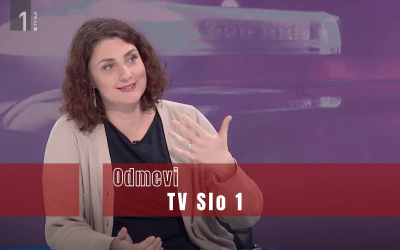
“Youth crime often reflects deeper distress and harmful environments”
29. 1. 2026 Odmevi (TV SLO 1)Assoc. Prof. Dr. Mojca M. Plesničar spoke on the TV programme Odmevi about the rise in peer violence and the ways in which the digital age and social media are creating new forms of violence and pressure on young people. She emphasized...
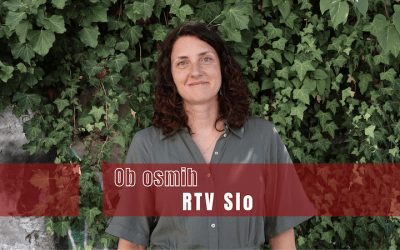
Slovenia Introduces a Systemic Juvenile Criminal Justice Framework
29. 1. 2026 Ljubljana - Radio Prvi (RTV SLO)In the latest episode of Ob osmih Dr. Mojca M. Plesničar discusses why swift intervention in cases involving juvenile offenders is crucial. She also examines how media coverage shapes perceptions of rising youth violence and...

Sentencing Forum, a new meeting point that strengthens connections across the sentencing research community
The Sentencing Forum is a new online meeting space designed to complement the existing academic structures in the sentencing field. We have conferences, workshops, working groups, and project-based collaborations, but we rarely have regular, lightweight meetings that...
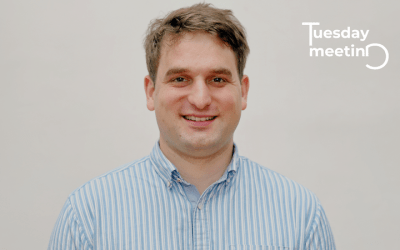
Tuesday Meeting: »Kálmán Kulcsár and the Making of Hungarian Legal Sociology: Power, Compromise, and International Networks«
We kindly invite you to a lecture by Dr. Márton Matyasovszky‑Németh entitled “Kálmán Kulcsár and the Making of Hungarian Legal Sociology: Power, Compromise, and International Networks”, which will take place as part of Tuesday Meetings on Wednesday, 4 February 2026,...
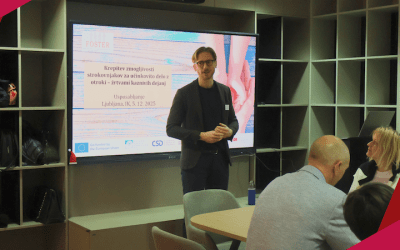
Strengthening knowledge and skills for the protection of children in the justice system
Today, we successfully concluded a series of training sessions aimed at strengthening the knowledke and skills of legal professionals and other experts for effective representation and work with children who are victims of criminal offences. The trainings, which took...

Launch of the European CRIDE Project: Strengthening the Right to Defence and the Role of Defence Counsel in Criminal Proceedings
At the Institute of Criminology, we have started a new European project CRIDE – The effectiveness of the suspected or accused of a crime persons right of defence (to be defended with the help of a professional lawyer). The project focuses on the right to have legal...

Renata Salecl presents her book in Buenos Aires
Renata Salecl presented her book Maleducados (Godot Publishing House) in Buenos Aires. Representatives of the Embassy of the Republic of Slovenia in Argentina and the Slovenian community also attended the presentation. Renata Salecl also gave interviews to several...
Musk promised freedom, but gave tools for child abuse. Who will be held accountable?
10. 1. 2026 Svet24.siDirector of the Institute of Criminology prof. Dr. Aleš Završnik warned of the serious risks posed by the launch of generative artificial intelligence (Grok) without appropriate safeguards. In his opinion, this is not just about individual abuses,...
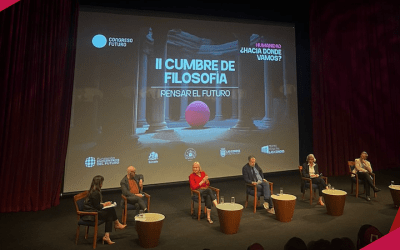
Renata Salecl keynote speaker at the largest science festival in South America
Our researcher Renata Salecl took part as a keynote speaker at the Congreso Futuro festival in Santiago, Chile—the largest scientific event in South America—which took place from January 12 to 17, 2026. Organized by the Chilean Senate in cooperation with all public...

Tuesday meeting: »Imperialist Sanctions, the Law of the Jungle, and Quasi-Mafia Governance of International Relations«
We kindly invite you to a lecture by our researcher Dr. Zoran Kanduč entitled “Imperialist Sanctions, the Law of the Jungle, and Quasi-Mafia Governance of International Relations.” The lecture will take place as part of the Tuesday Meetings series on Monday, 26...

Poljanski nasip 2
1000 Ljubljana
Copyright © Inštitut za kriminologijo pri Pravni fakulteti v Ljubljani


