The Library brings you news about new printed books available on our shelves.
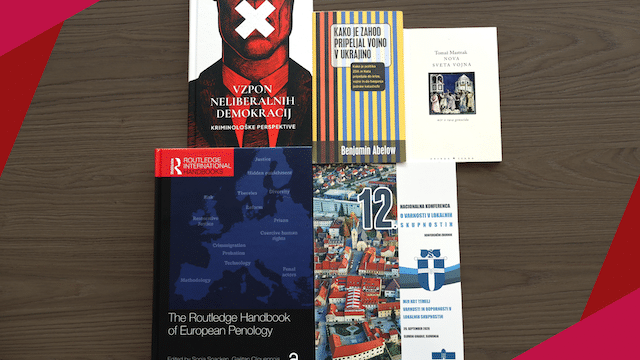
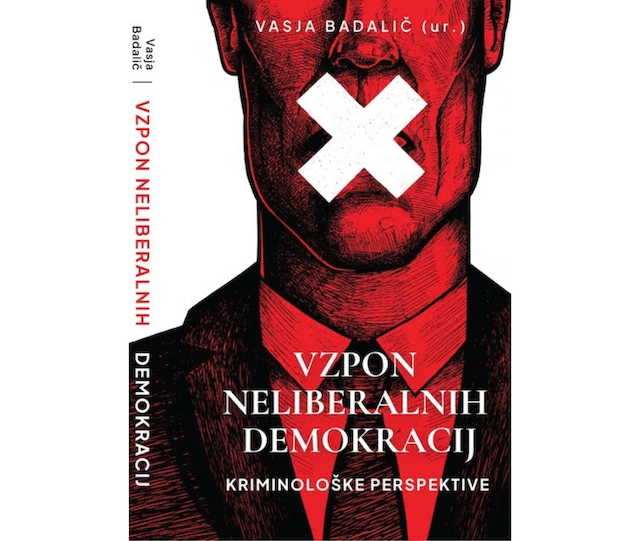
The monograph Vzpon neliberalnih demokracij : kriminološke perspektive (Institute of Criminology at the Faculty of Law in Ljubljana, 2026), edited by Vasja Badalič, examines the rise of illiberal politics and their implications for democracy, the rule of law, and human rights from criminological, legal, and psychological perspectives. The authors examine mechanisms of power centralisation, restrictions on the autonomy of independent institutions, repression, censorship, and the exclusion of marginalised groups. Particular attention is paid to the interplay between liberal and illiberal practices, as well as the role of security policies, propaganda, and technologically enabled violence. The monograph also addresses genocidal violence in Gaza, obedience, punitive populism, and the manipulation of individuals. Through its interdisciplinary approach, the work offers a critical examination of contemporary political transformations and the mechanisms contributing to the erosion of democratic standards.
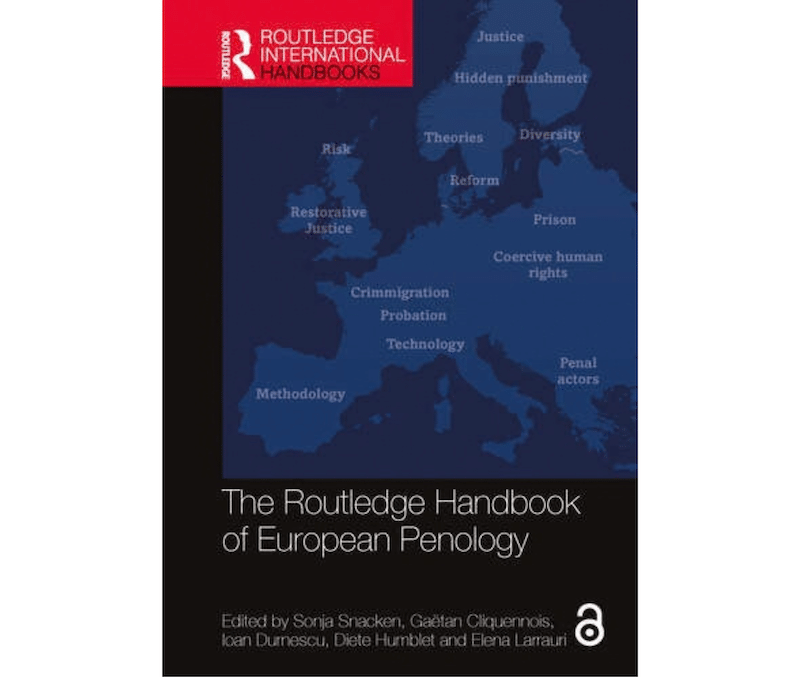
The Routledge Handbook of European Penology (Routledge, 2026) provides a comprehensive overview of contemporary penology in Europe, understood as the interdisciplinary scientific study of punishment, as well as the latest research developments in the field. It covers all European regions – North, South, East, and West – as well as the two key European institutional organisations, the Council of Europe and the European Union. Particular attention is also given to research that has not previously been published in English. The Handbook examines whether there are distinctive or characteristically European approaches to the application of penology. The volume brings together contributions from five editors and 60 authors from 21 countries, reflecting diversity in terms of gender, career stage, and research experience.
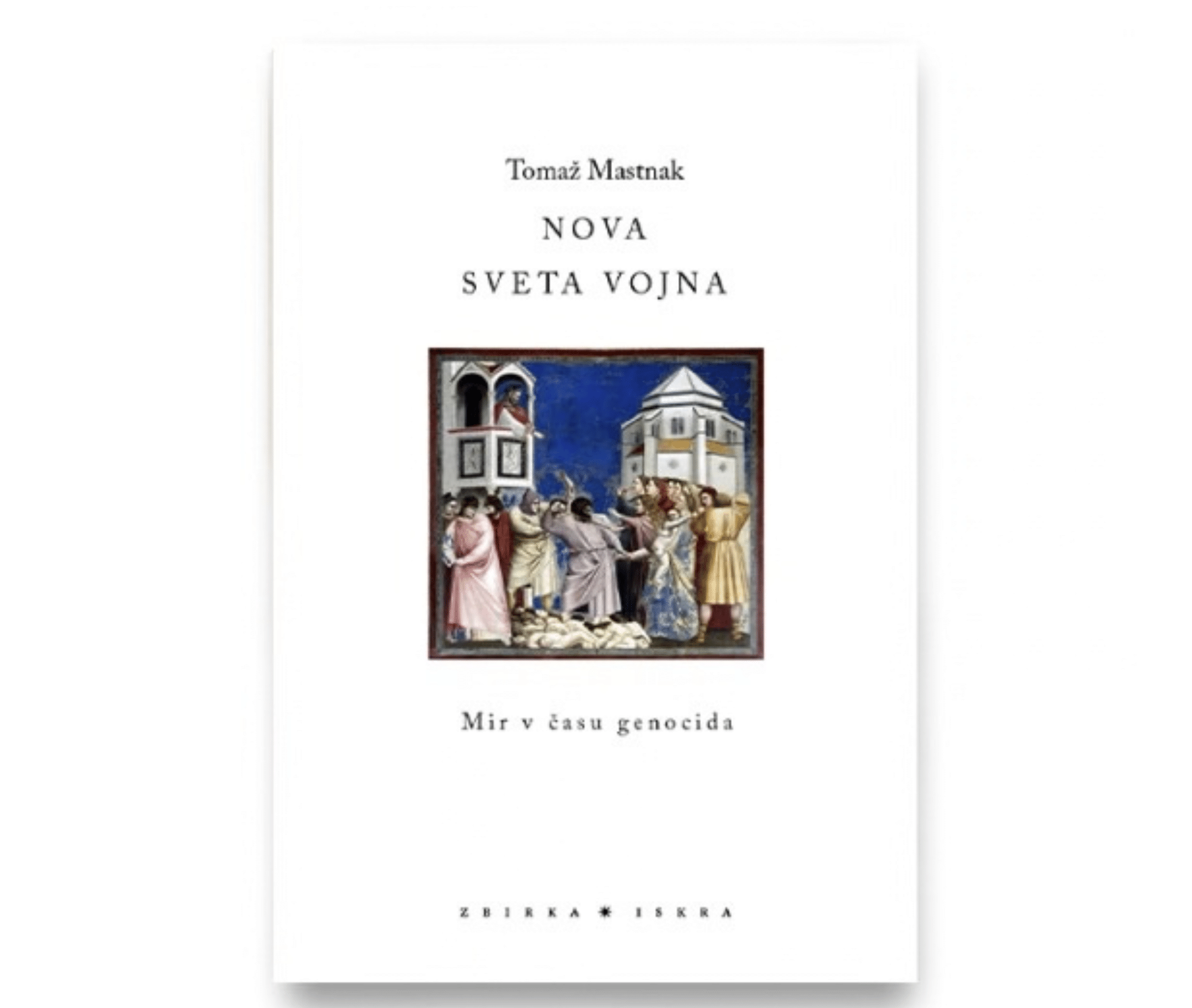
The book Nova sveta vojna: mir v času genocida by Dr Tomaž Mastnak examines the history of holy and Crusader wars, as well as European hostility towards foreign peoples, particularly Slavs, Arabs, and Turks. The author highlights the historical connections between the idea of a “holy war,” the justification of violence, and policies of exclusion. The book emphasises the contemporary relevance of these issues and relates them to developments in Palestine and Ukraine. Alongside its historical analysis, the book raises questions concerning censorship, public discourse, and the position of critical intellectuals in contemporary society. It particularly underscores the importance of understanding the historical roots of ideologies of violence and their consequences for humanity and humanism.